When it comes to holistic solutions to combat stress and ease inflammation, a long, relaxing bath is just what the doctor ordered. Spending some time relaxing in the tub at the end of a long day has many positive mental and physical effects on the body. From promoting better sleep, to targeting sore muscles, to even improving depression, it’s clear that a calming bath may have more power than we ever thought.
As you run the water, you may find yourself wondering what the ideal bathtub temperature is. Some people prefer hot baths, while others prefer cold baths. But what are the differences? Should the temperature of bath water be all about comfort, or are there special benefits to running a hot bath over a cold bath (or vice versa)? Read on to learn more about running the perfect bath for your health goals.
Temperature & Frequency
Many people decide on the temperature of bath water solely by the way it feels. However, the ideal temperature of a hot water bath ranges from 90 degrees to 105 degrees Fahrenheit, or 32 to 40 degrees Celsius. This is slightly above the average person’s body temperature. Avoid baths that are so hot that you need to ease yourself into the water. Bath time should be a pleasant and comfortable experience. Submerging yourself in uncomfortably hot water will have the opposite effect of reducing stress, causing the body to secrete more cortisol (the stress hormone).
There is no maximum limit for the number of baths you can take. In one week, you might opt to take one bath per day, for example. The only drawback to very frequent bathing is the potential for drying out skin, as bathing strips the skin of its natural oils. If you suffer from dry skin, aim to take no more than 2-3 baths per week.
The Ice Bath vs. Hot Water Bath Debate
While most baths are a standard hot water bath, ice baths are commonly used to treat sore muscles for athletes and extremely active individuals. Ice baths aid in recovery, and typically only last 5-10 minutes at most. The temperature of an ice bath should be no lower than 53 degrees Fahrenheit, or 11.6 degrees Celsius.
Ice baths are typically used for physical benefits only, such as reducing core body temperature, easing sore muscles, and decreasing inflammation. They are not typically used for relaxation purposes. Hot water baths, on the other hand, are perfect for stress relief and decompressing after a long day.
Health Considerations
There are potential health issues and caveats to consider for both ice baths and hot water baths. Those who have Type 1 and Type 2 diabetes should be careful with ice baths, as they cannot easily maintain their core temperature with external fluctuations.
Those with high blood pressure or heart disease should also check with their doctor before incorporating ice baths into their routine. Most people are able to enjoy a standard hot water bath, provided that the temperature is comfortable. However, pregnant women should avoid very hot water, as should those with poorly controlled blood pressure and heart issues.
Benefits of the Ideal Bath Temperature
Running the perfect bath can provide a variety of health benefits, including:
Better sleep
Mood boosts
Natural decongestant
Energy improvements
Muscle pain alleviation
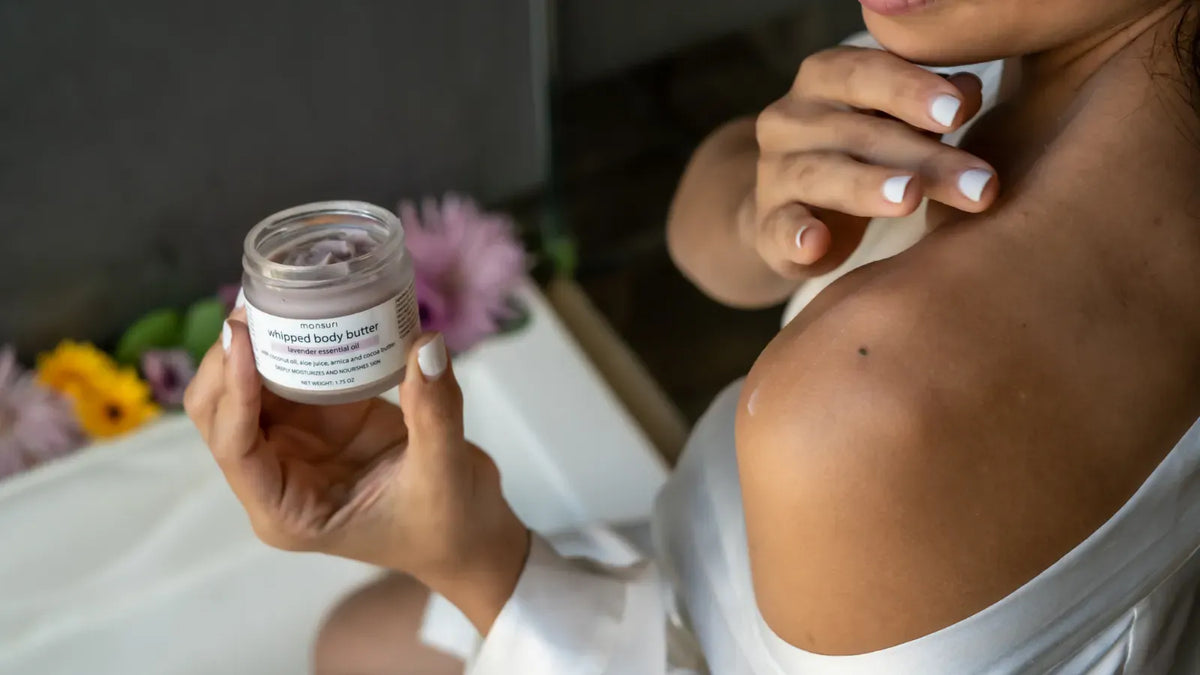
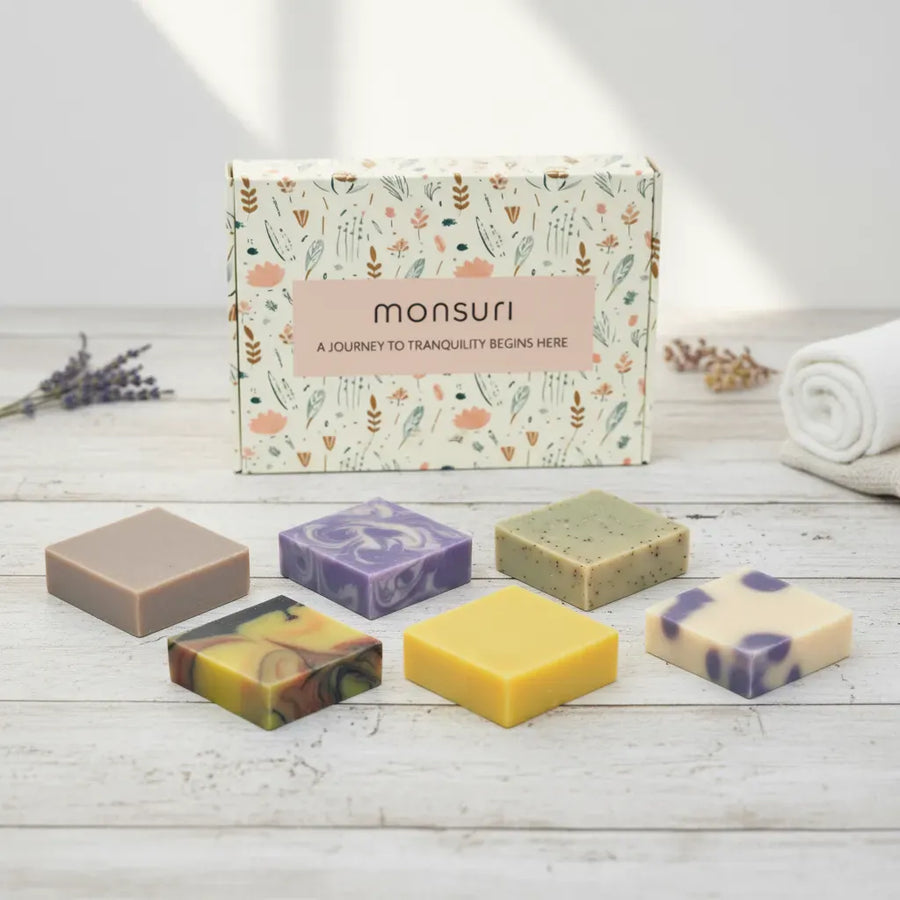
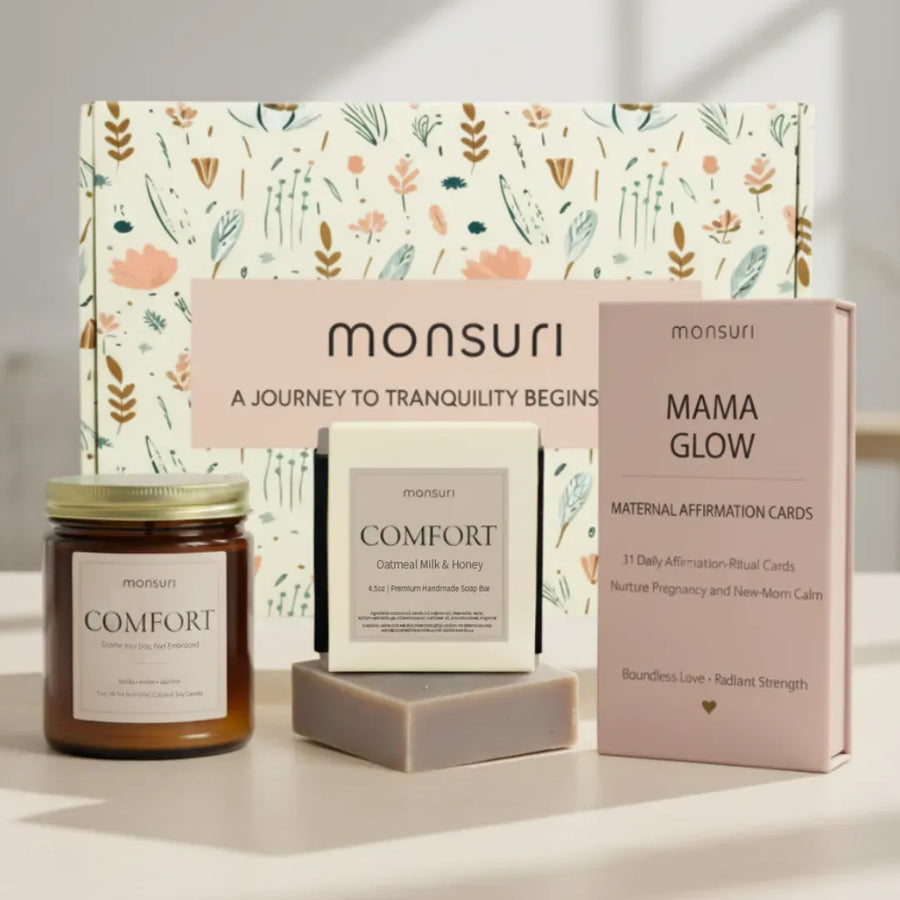
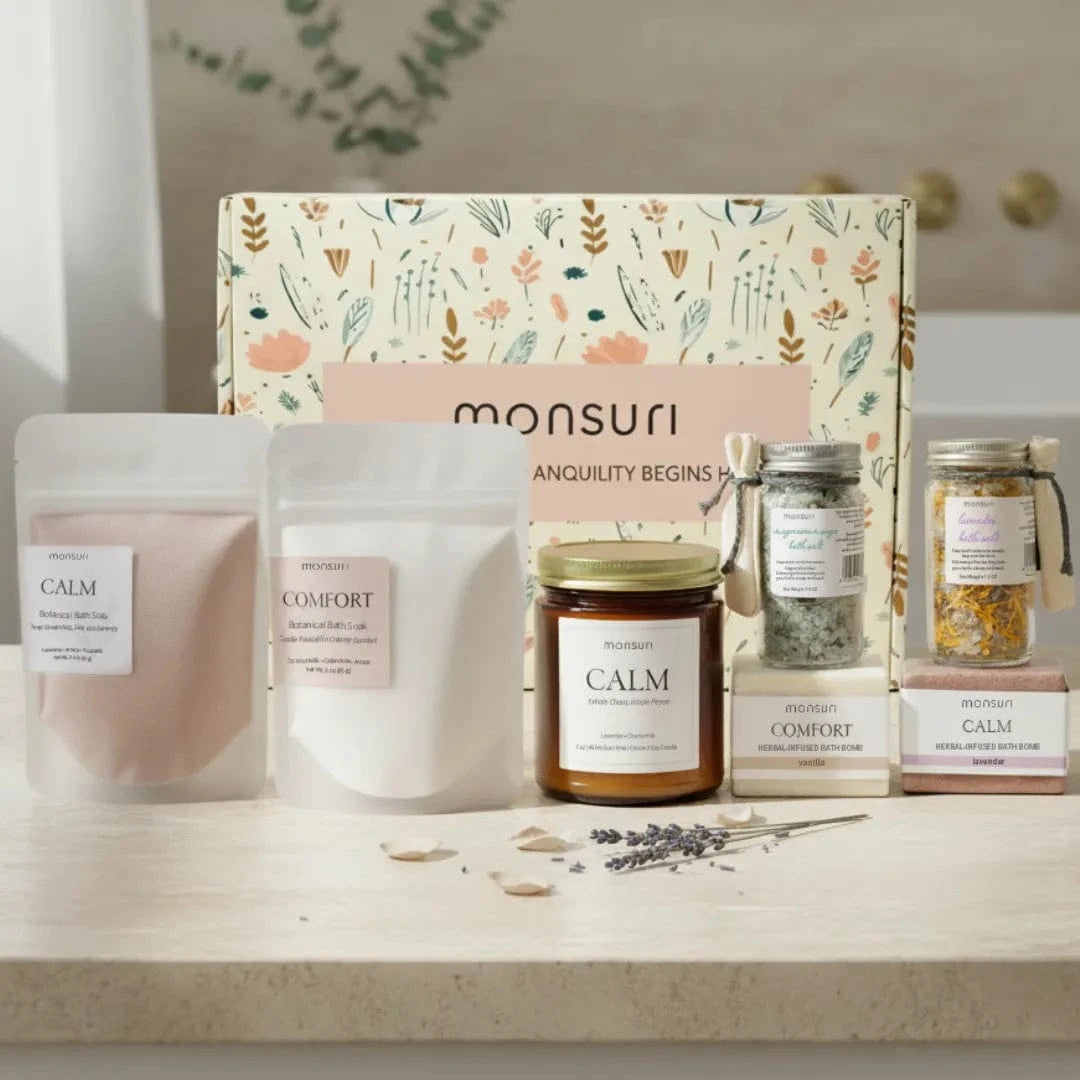
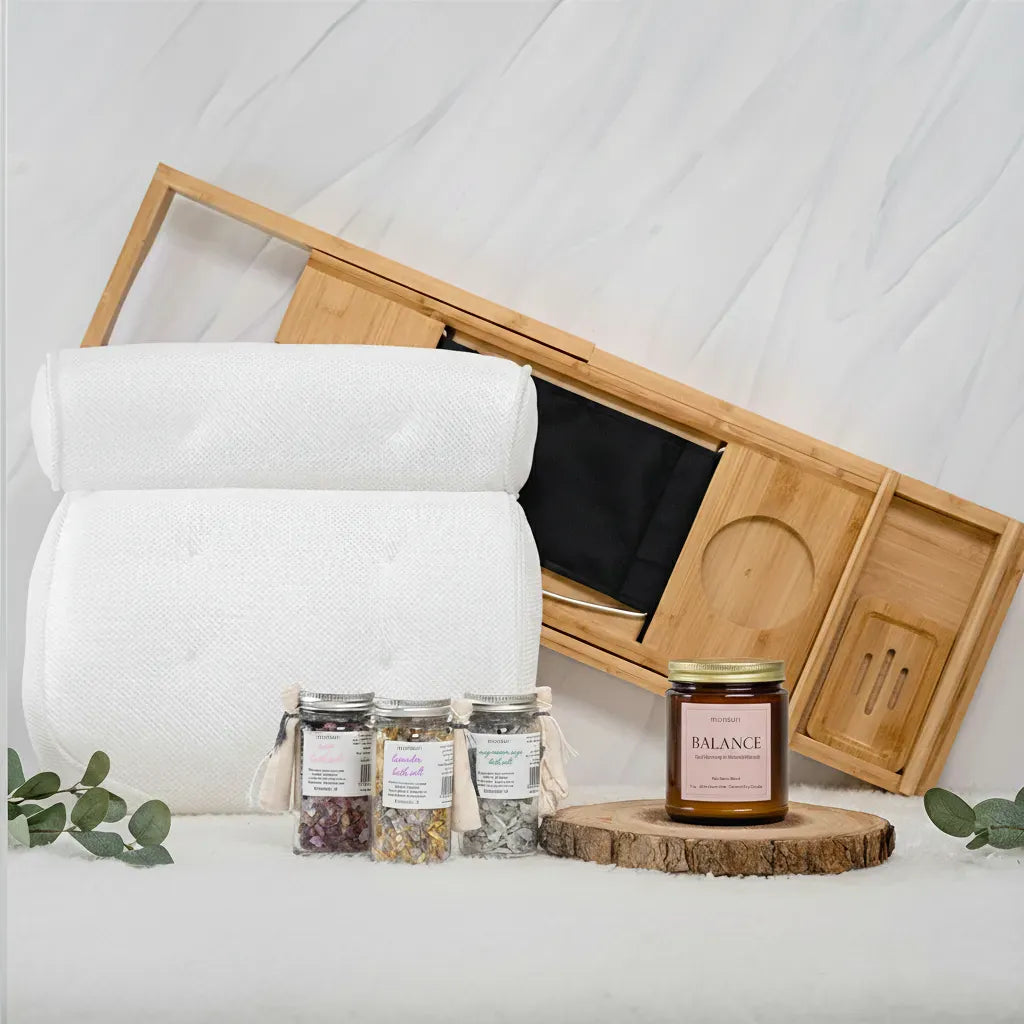
Incorporate some fun, soothing accessories that are delightful to the senses with bath bombs or salts for enhanced relaxation. Start your search for the perfect bath time accessories here.
As champions of self-love, we've curated a series of insightful videos that not only introduce you to Monsuri's premium range of bath & body products but also delve deep into the world of self-care, wellness, and tranquility.
Join the Monsuri Self-Care Revolution!
Ready to step up your relaxation game? Join the Monsuri family! Get first dibs on our latest products, exclusive offers, and self-care tips that will transform your downtime. Sign up for our newsletter today – because tranquility should never wait.
A bridesmaid proposal box is the gift you give when you ask someone to be a bridesmaid. Here's the four-part formula for what to put in one, ideas by budget ($25–$85), and whether to build your own or buy a done-for-you set.
How much should you spend on corporate gifts? Most U.S. companies land at $25–$75 per employee and $50–$150 per client — but the number matters less than matching it to the relationship, ordering before the mid-November rush, and presenting it well.
Most home saunas end up unused after month two. The fix is a complete daily ritual — eucalyptus during, magnesium soak after — and the one cabin sauna that removes the friction.