






When Can I Take a Bath After Giving Birth: The Ultimate Guide to Postpartum Baths
Unsure when to take a bath after giving birth? Dive into our guide for postpartum bathing and discover the best practices for a safe and soothing recovery.
Read
Thoughtful gifts
They keep putting off the warmth, the quiet, the hour that's just theirs — give them the reason to take back what they deserve.
Bath products
Your body has been waiting for this all week. The shoulders, the neck, the tiredness. This is what unknots them.
Aromatherapy
Coconut-soy candles, hand-poured. Roller blends carried in pockets and purses worldwide.
Natural skincare
Botanicals infused directly into the oil. USDA organic. Multi-oil carriers. Therapeutic aromatherapy.
Mindful living
Affirmation cards with a 30-second body practice on every card - not just words. Tapestries that change how a room feels, not just how it looks.
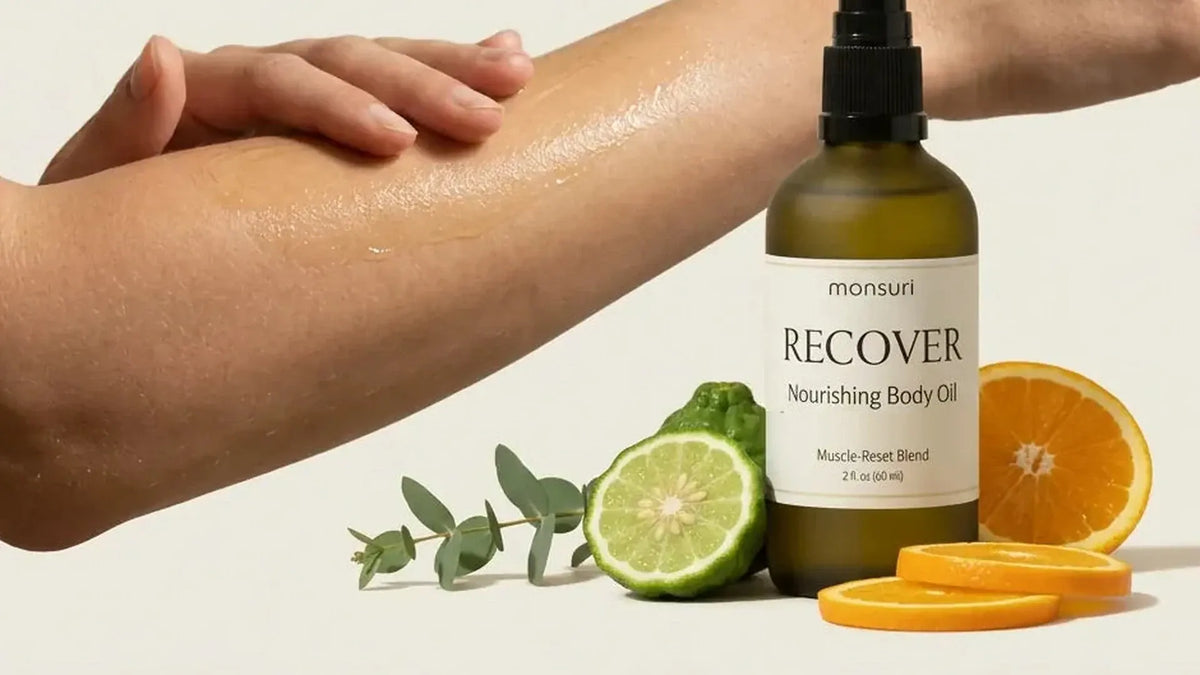
A gentle postpartum massage is something a partner can learn at home in about ten minutes — no training, no table, no appointment. Two things have to come first: her provider's okay, because every recovery runs on its own clock, and one supply, a skin-safe oil. We make ours for exactly this — the Recover Nourishing Body Oil ($36.00) is slow-infused with arnica and calendula and made for exactly this kind of massage — it warms first, then settles into a clean, cooling calm. Everything else in this guide is where to put your hands, where not to, and how to make ten minutes count.
Here is the quiet truth behind this whole topic, said best by two of our own reviewers, independently: "most people are thinking more about the baby than mom," and "expected mothers sometimes are overlooked… everything is gifted to the baby." The weeks after a birth are full of hands — holding, feeding, burping, soothing — and almost none of them are on the person who did the work. An at-home massage is ten minutes of attention pointed the right way — and if she is running on empty more days than not, our guide to understanding mom burnout is the longer conversation.

Massage is not a treatment for anything, and nothing in this guide is medical advice. What gentle massage is genuinely good at, per the Cleveland Clinic and the NIH's center for integrative health, is the unglamorous, valuable stuff: helping a tense body relax, easing the ordinary muscle soreness that comes from doing the same demanding motions all day, and simply feeling cared for.
Map that onto the first months with a newborn and the fit is obvious. Feeding posture — head down, shoulders curled, one arm locked in place — collects in the neck and upper back. Carrying, rocking and lifting collect in the lower back. And the person absorbing all of it is usually running on broken sleep, touched constantly by a baby and almost never in a way that is for her. Ten minutes of unhurried attention on exactly those places is a small thing that does not feel small.
There is a second, plainer benefit: the oil itself. Skin works hard through pregnancy and after it, and the same instinct runs through our gift-set reviews — as one reviewer put it, "All the ingredients are from natural and organic, which are best for new mom because of the skin sensitivity after giving birth." A massage is also, quietly, a moisturizing routine she did not have to do herself.
There is no universal start date, and this guide will not invent one. Recovery from birth varies enormously — by delivery, by complications, by the person — so the green light for massage (like the green light for baths, exercise and everything else) belongs to her midwife or doctor, usually raised at a routine postpartum check-up. Ask specifically, get the answer for her, and until then keep it to the lower-key gestures — a hand or scalp massage, and being the person who runs the errands — and save the full routine for after that conversation.
One neighbouring note, since the two questions travel together: full baths are usually a wait-for-clearance item too, which is why the early weeks are shower weeks in most households. We wrote a separate guide on when you can take a bath after giving birth — the short version is the same as here: her provider's call, and there are lovely shower-based alternatives in the meantime.

Professional massage has a whole vocabulary — the one to borrow is effleurage, which just means long, light, gliding strokes with flat palms. That is the entire skill. No kneading, no elbows, no pressure points. Slow is the technique: if your hands are moving fast enough to hear, they are moving too fast.
The routine below is deliberately short, because short is what survives contact with a newborn's schedule. Warm a few drops of body oil between your palms first — cold oil on tired shoulders is how the massage ends early — then work through the four steps. If she falls asleep at step three, that was a successful massage.

Dry hands on dry skin drag; that is friction, not massage. Oil is what turns pressure into glide, which is why it is the one thing worth buying for this — and why the bottle matters more than any accessory. Ours is the Recover Nourishing Body Oil: slow-infused coconut oil with arnica flowers, calendula, comfrey root and St. John’s wort, built for exactly this use. It works in two steps you can feel — warming ginger and black pepper soften tight shoulders first, then menthol settles in cool and quiet — and the scent is bergamot, eucalyptus, sweet orange and lavender rather than anything clinical. At $36.00, the 2 oz spray bottle covers roughly 50–60 sessions — under fifty cents per massage. The rest of our body oils and balms collection with its lavender and eucalyptus siblings if she would rather have a different scent.
Two honest notes. First, massage oil is for intact skin — keep it away from any incision area, and patch-test anything new on a small patch first; sensible for anyone, doubly so postpartum. Second, if massage oil feels like an odd solo gift, that instinct is right — which is what the next section is for.
Most people find this article for one of two reasons: they are the recovering mom, or they love one. If you are in the second group, the honest gift insight from our review pages is the one at the top of this guide — everyone gifts the baby. The gifts that land hardest in our reviews are the ones aimed squarely at her. One reviewer wrote, simply: "I gifted this box to myself. It is nice having something for myself."
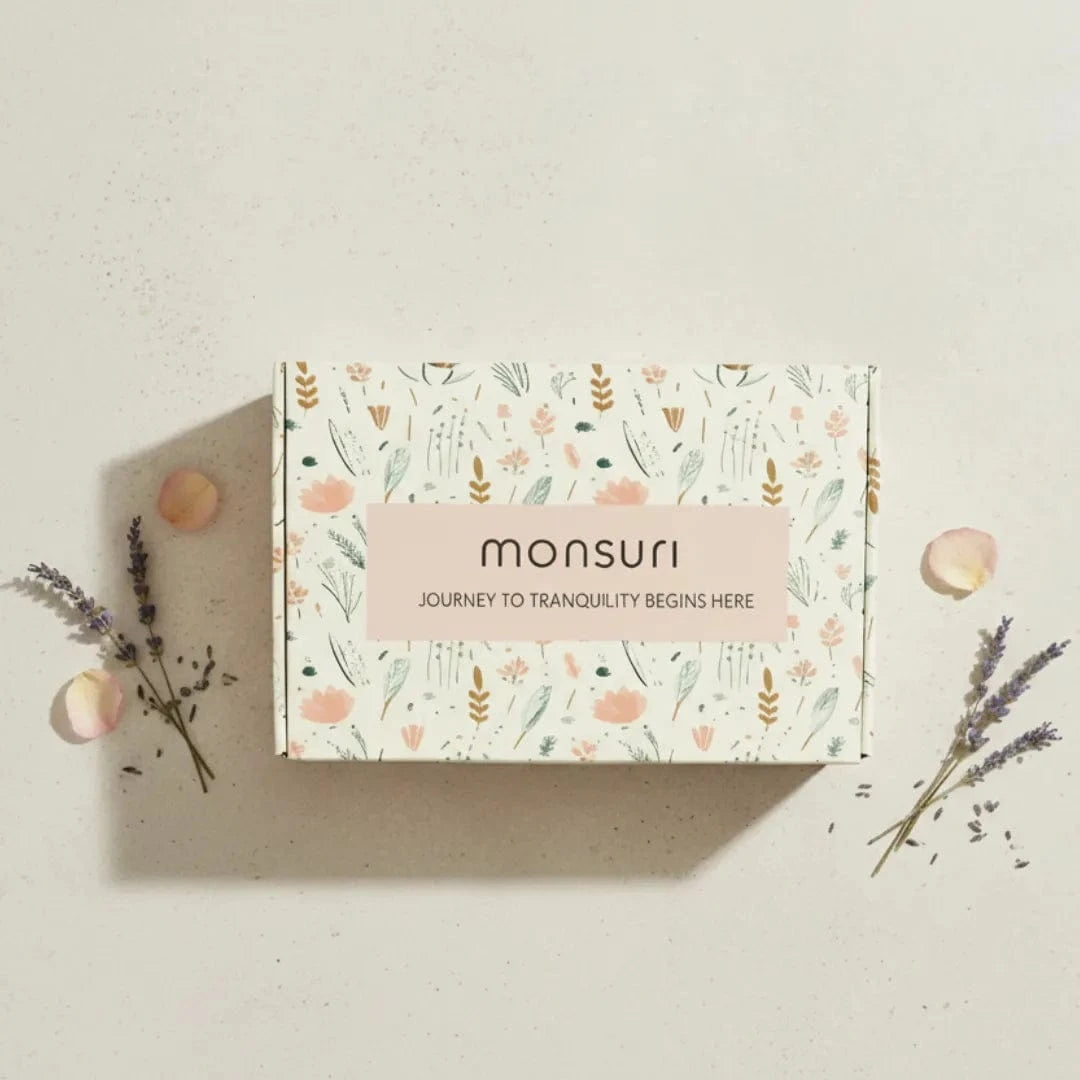
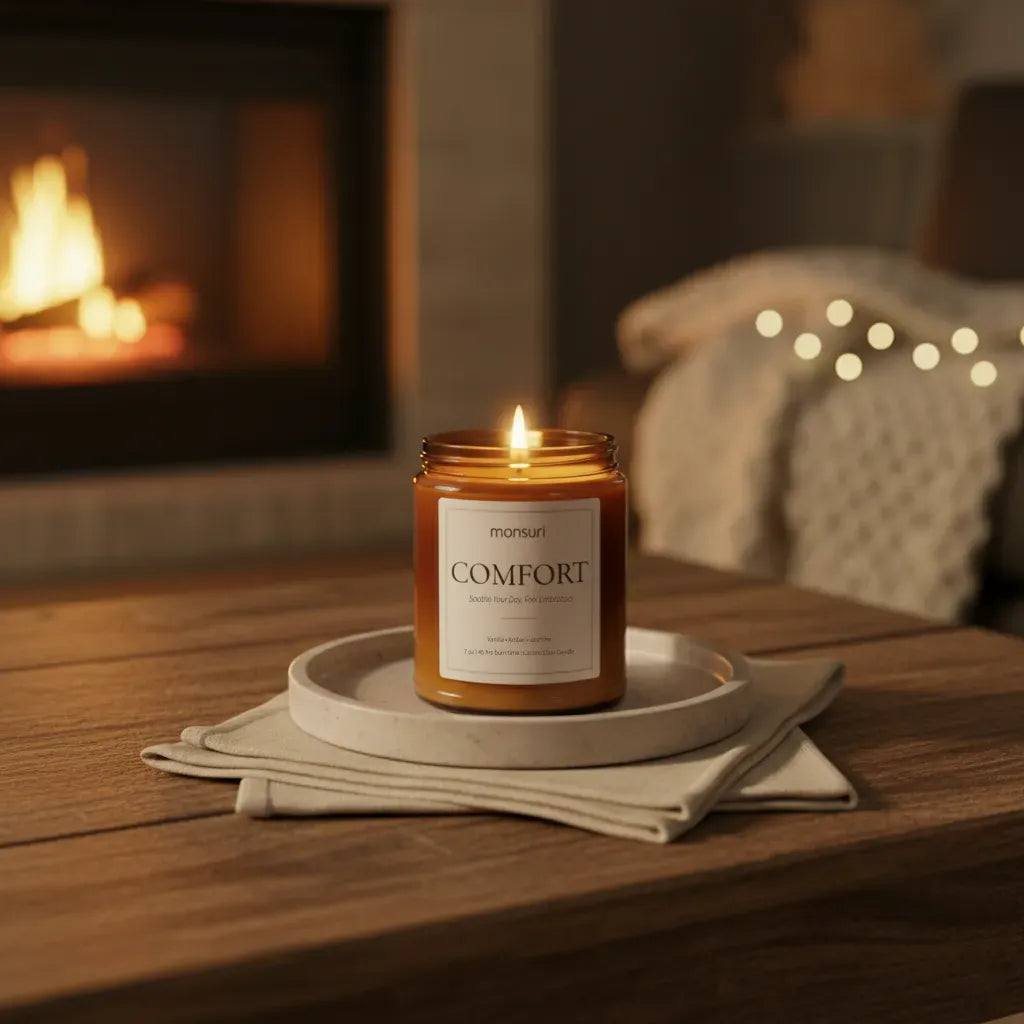
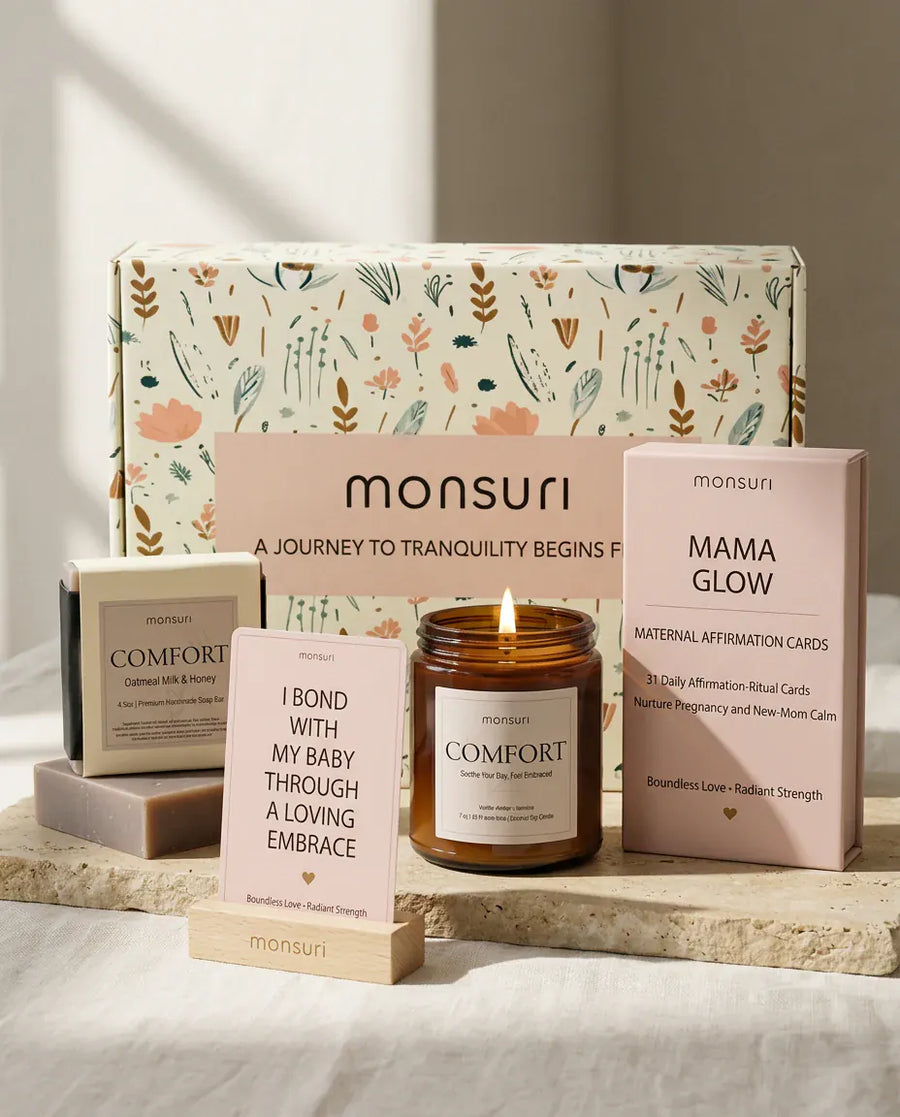
The Mama Glow Pregnancy & Postpartum Care Set ($57.90) is our purpose-built version of that: the Comfort candle in its amber jar, a handmade oatmeal milk and honey soap bar, and a deck of 31 maternal affirmation cards — one small written moment per day for a month — in a floral keepsake box. Pair it with the body oil — sold separately — and you have wrapped the whole evening: the massage, the candle to do it by, and something for her to open the next morning.

If you are shopping for a new mom more broadly — beyond the massage angle — our guide to the best gifts for new moms covers the wider field, and the postpartum essentials checklist is the practical companion to this article.
Four options, in order of commitment. The decision rule is in the right-hand column — the short version: the oil is the supply, everything else is the occasion.
| Product | Price | Buy it when | |
|---|---|---|---|
 |
Recover Body Oil | $36.00 | You want the massage itself. The one essential — arnica-and-calendula infused, warms then cools; a 2 oz bottle covers 50–60 sessions. |
 |
Mama Glow Set | $57.90 | It’s a gift and you want it to unwrap like one — candle, soap, 31 affirmation cards and the keepsake box around the wind-down. |
 |
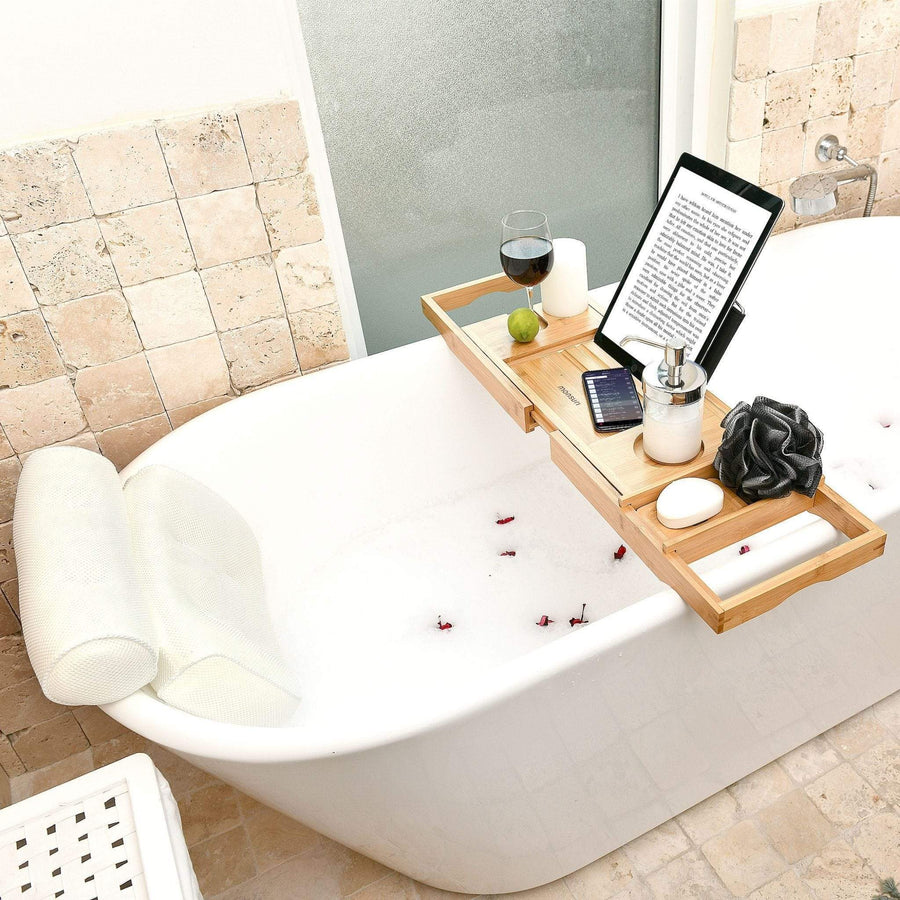
Mom’s Wind-Down Ritual | $84.90 | The bigger gesture — a full lavender bath-and-body evening for once she’s cleared for baths again. |
 |
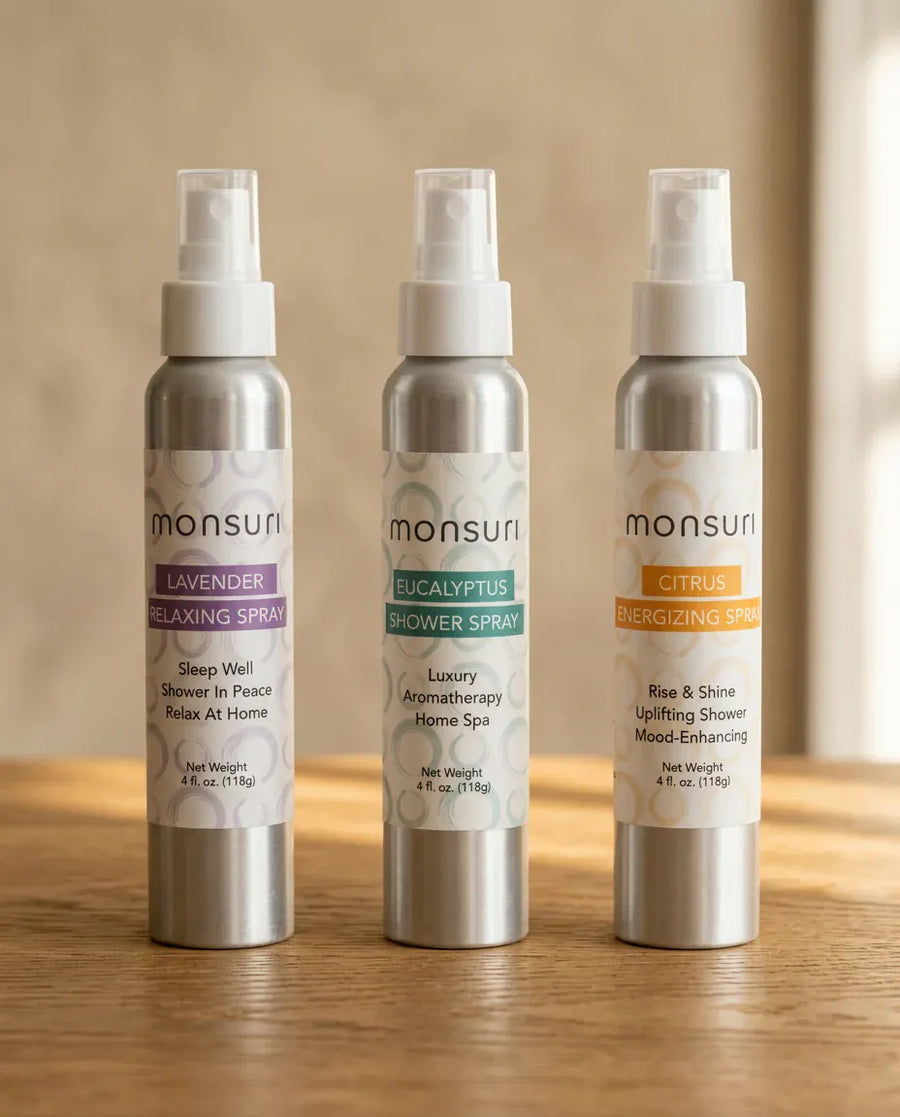
Luxe Lavender Shower Steamers | $16.70 | For the shower-only early weeks. One reviewer buys them for her pregnant daughter with no tub — "perfect for that spa feeling in shower." |
A newborn resets every clock in the house, and the person who did the work of arriving there is usually the last one anyone thinks to look after — our own reviewers say so in almost the same words. You do not fix that with a spa day she has to schedule, travel to, and feel guilty about. You fix a little of it at nine o'clock on a Tuesday, with warm hands, ten unhurried minutes, and a bottle of oil on the nightstand.

Start with the oil. Add the Mama Glow set if it is a gift. And if she is still expecting, the same ten-minute logic works now too — see our guide for moms-to-be.
Continue your ritual
One more read. One thing for the bath.


