









Gift Basket Ideas: Perfect Presents for Every Occasion with Monsuri
Discover top gift basket ideas for every special occasion with Monsuri. From spa luxuries to gourmet delights, find the perfect curated gift.
Read
Thoughtful gifts
They keep putting off the warmth, the quiet, the hour that's just theirs — give them the reason to take back what they deserve.
Bath products
Your body has been waiting for this all week. The shoulders, the neck, the tiredness. This is what unknots them.
Aromatherapy
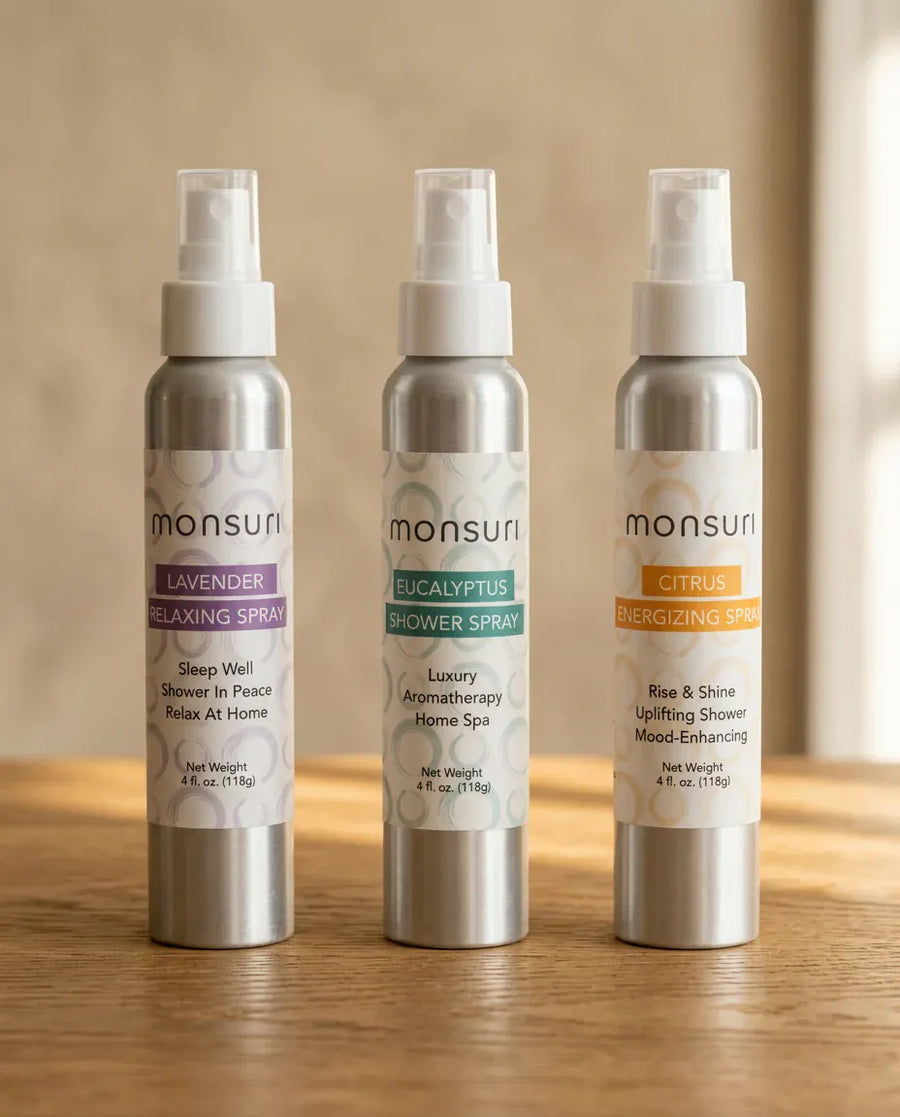
Coconut-soy candles, hand-poured. Roller blends carried in pockets and purses worldwide.
Natural skincare
Botanicals infused directly into the oil. USDA organic. Multi-oil carriers. Therapeutic aromatherapy.
Mindful living
Affirmation cards with a 30-second body practice on every card - not just words. Tapestries that change how a room feels, not just how it looks.
For most U.S. companies, the working range is $25–$75 per employee and $50–$150 per client, with milestone and executive gifts running $150–$200. That's the short answer. The longer one — which recipient gets which number, when you have to order, and the line between a gift that reads as thoughtful and one that reads as a swag handout — is what actually decides whether the spend works.
The reason "how much should I spend on corporate gifts" has no single answer is that you're really asking four different questions. A year-end token for a 40-person team is a different decision than a thank-you to the client who renewed a six-figure contract. Here are the planning ranges U.S. companies commonly work within:
| Recipient | Typical per-gift spend | When it applies |
|---|---|---|
| Employee — routine (holiday, appreciation day) | $25–$75 | Team-wide, everyone gets the same tier |
| Employee — milestone (work anniversary, promotion, new baby) | $75–$200 | Individual recognition |
| Employee — annual total across all recognition | $100–$350 | The full-year budget per head |
| Client — standard | $50–$150 | Most accounts |
| Key client / executive partner | $150–$200+ | Revenue-critical relationships |
| Client — proportional method | 1–3% of annual account value | When accounts vary widely in size |
Company size shifts the defaults, too. Teams of 1–50 tend to land at $30–$100 a gift; 50–500 at $50–$150; enterprises at $75–$500 for the relationships that matter most. If you only remember one figure, make it this: a well-chosen $50 gift outperforms a generic $50 one, and outperforms $50 of cash. There’s a well-worn idea in behavioral economics that $50 spent on a gift tends to land better than $50 added to a paycheck — the bonus gets absorbed, the gift gets noticed.

Between mixed preferences, remote schedules, dietary needs, tight timelines, and a fixed budget, it's easy to miss the mark or overspend.
Two methods, and you'll use both. Per-head is for groups — your team, a department, a tier of clients who should all be treated the same. You set one number, multiply by headcount, and you're done. It's fair, it's defensible to finance, and it sidesteps the awkwardness of someone comparing gifts at the next standup.
Proportional — 1–3% of an account's annual value — is for the handful of client relationships where a flat number would be either insulting or excessive. Three percent of a $5,000 account is $150; three percent of a $100,000 account is $3,000, which you'd cap with judgment. The point of the method isn't the math, it's the discipline: it stops you sending the same $40 basket to the client who keeps your lights on and the one who tried you once.
Whichever method you use, write the number down before you shop. A common way budgets blow up is choosing the gift first and reverse-justifying the spend.
Timing is the budget lever nobody puts on the spreadsheet. Order late and you pay for it twice — in rush shipping and in shrinking selection, because the sets people actually want sell through first. The calendar that keeps you out of trouble:
Lead times depend on how custom you go. A pre-configured set from an existing catalog moves in 5–10 business days. A fully custom program — sourced products, branded inserts, individual personalization — runs 3–6 weeks. Anything past 500 units with per-recipient kitting needs 6–8 weeks. Build backward from the delivery date, not forward from when you got the budget approved.
One underused move: send off the holidays. A gift that arrives in mid-January, after a closed quarter, or on a work anniversary lands harder than one buried in the December pile-up — and it costs the same.
Spend isn't the only thing that changes between a client gift and an employee gift. The etiquette does too.
A client gift has to clear a bar an internal gift doesn't: it can't look like an attempt to buy influence. Keep it modest enough to read as appreciation, consistent across comparable accounts, and free of strings. Many companies and government bodies also have gift-acceptance policies with hard dollar caps — when in doubt, a gift in the $50–$100 range and a note is safer than something lavish that puts your contact in an awkward position.
In the U.S., the IRS lets a business deduct only $25 per recipient per year for client gifts — a limit set out in IRS Publication 463 that's been unchanged for decades. It caps your deduction, not what you're allowed to spend; plenty of companies spend more and simply deduct $25. Incidental costs like standard packaging and mailing may sit outside the $25 limit when they don’t add real value, and branded promotional items follow separate rules. This is general information, not tax advice — confirm the specifics with your accountant before you file.
Here the rule is consistency. Within a tier, everyone should receive the same gift, or the gesture curdles into a comparison. Resist the urge to plaster the company logo across it — a subtle branded insert card is welcome; a gift that's mostly a billboard for your brand reads as marketing, not thanks. Worth knowing: small, occasional employee gifts often qualify as a tax-free "de minimis" fringe benefit under IRS guidance (cash and gift cards do not) — another reason a modest physical gift is the cleaner choice. And account for the constraint HR teams keep running into: a non-food set sidesteps the dietary and preference problems a food basket runs into — the vegan, the person who doesn't drink.
When a gift doesn't land, the post-mortem usually blames the budget. It's almost never the budget. The recurring failures:
Notice what's shared: none are solved by spending more. They're solved by matching the gift to the person and presenting it like you meant it.

Three things separate a gift that's remembered from one that's regifted, and all three are within your budget at $50–$90:
It's made well, not just bought. Quality you can feel in the hand tells the recipient the same care went into the relationship. It arrives like a gift. A proper box, a clean arrangement, a printed note in your words — presentation does more persuasive work than an extra $20 of contents. And it suits almost everyone.
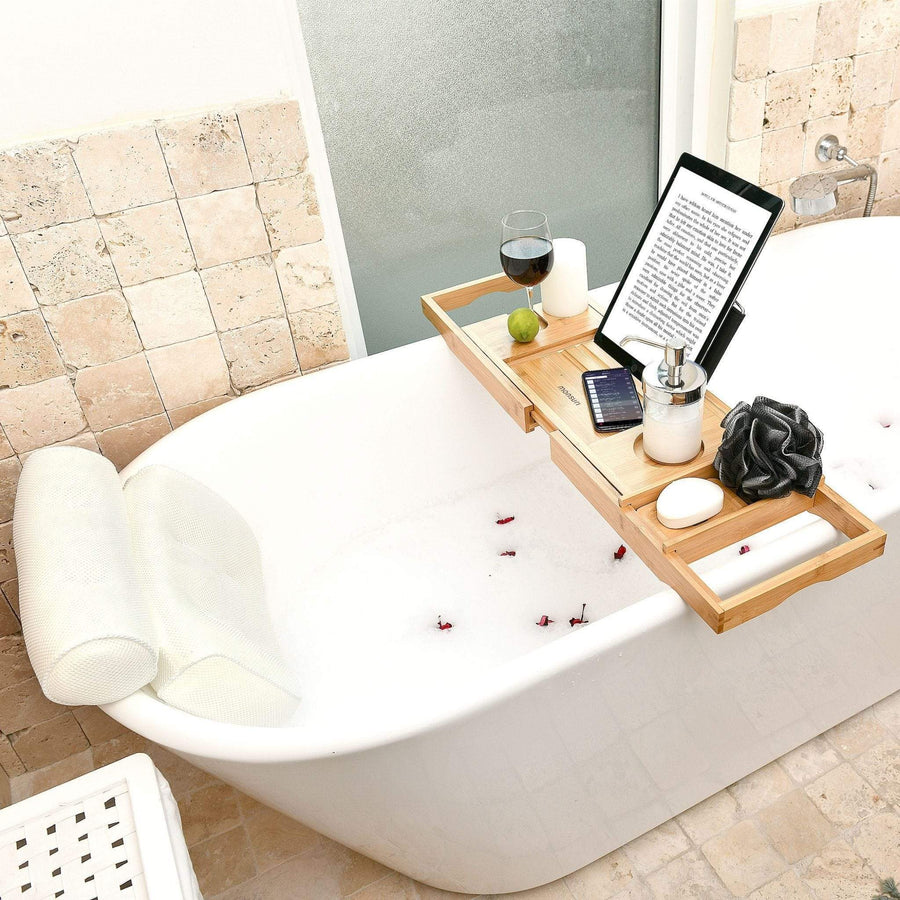
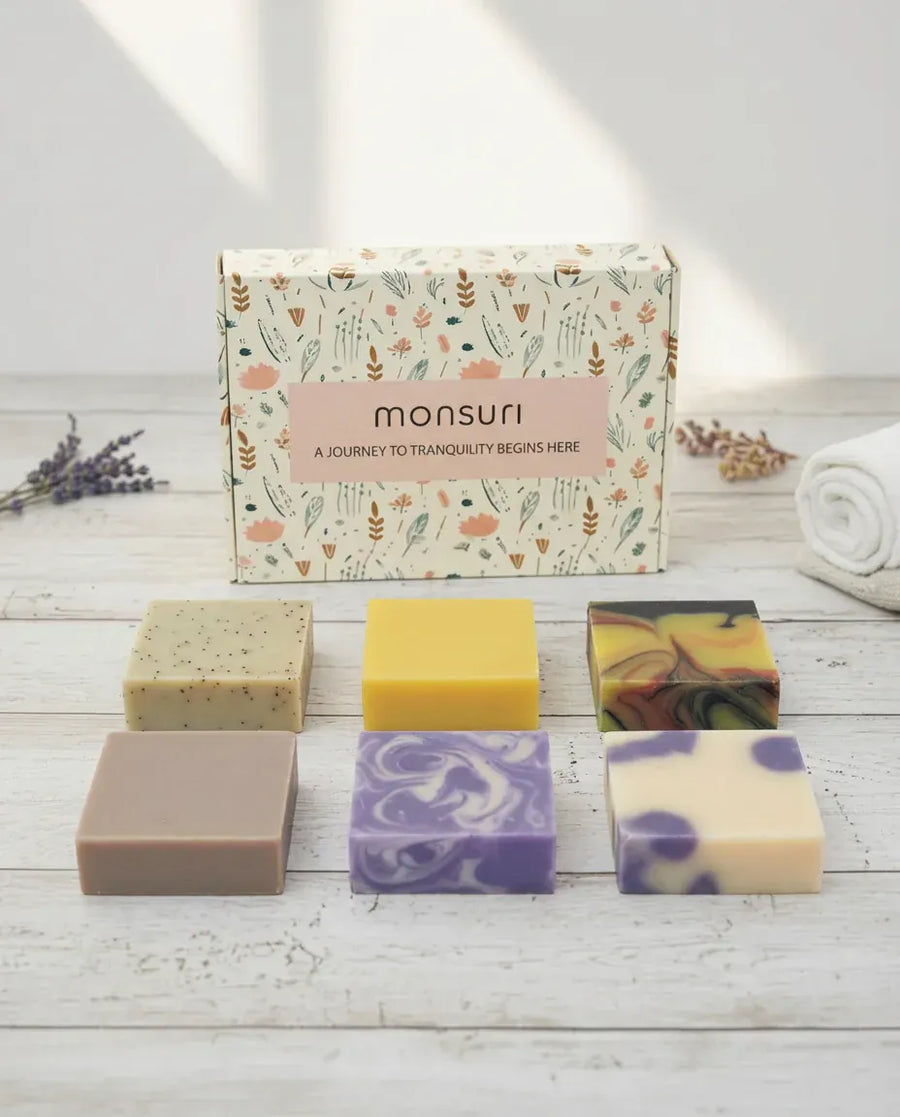
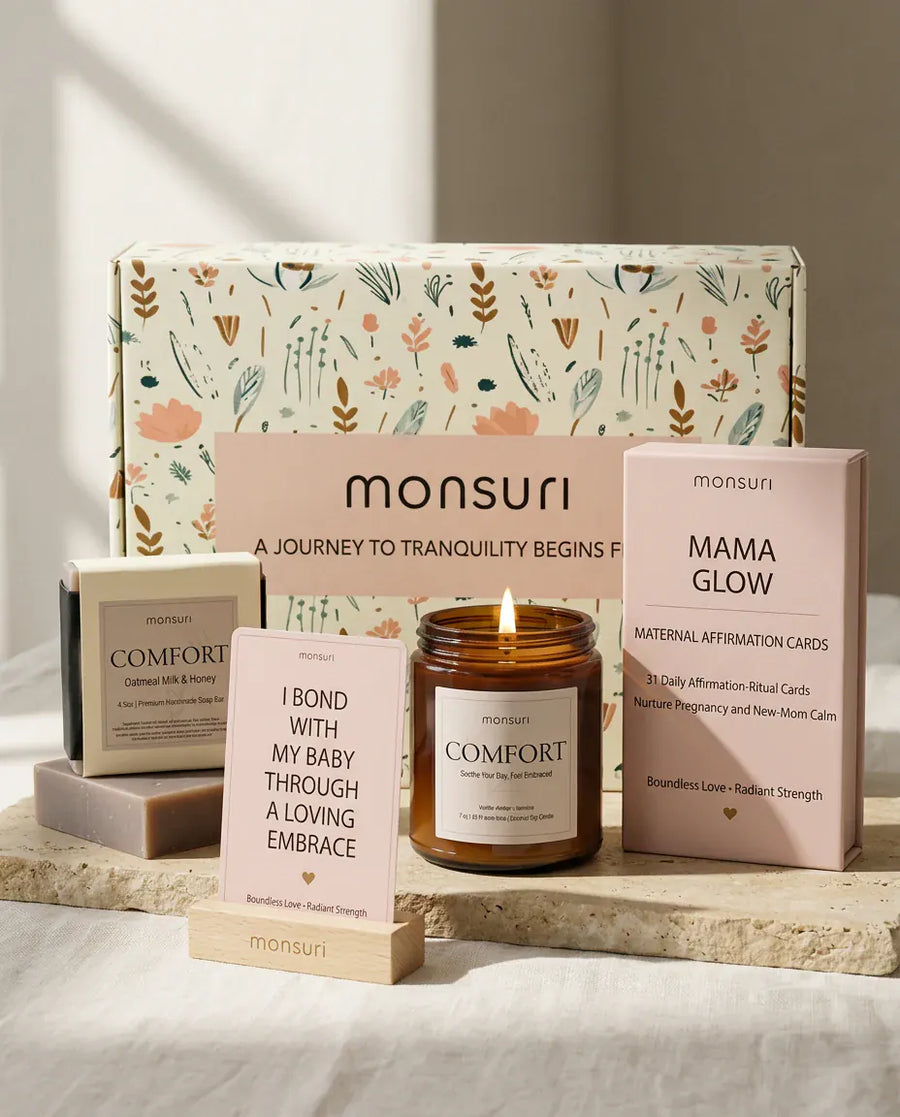
That last point is why wellness sets have become such a popular premium corporate gift: a candle, a botanical soap, a body oil, an aromatherapy roller in a considered box sidesteps most of the landmines above. When the occasion is someone leaving for good rather than a seasonal thank-you, our retirement gifts guide prices that one separately, including what an office pool should put in. There's no dietary restriction on a bath soak, no sizing problem, no "do they already have one." It reads as we want you to take an evening for yourself — which is a more personal message than a branded tumbler can carry, without being so personal it's presumptuous. Monsuri makes its sets by hand in the U.S., so what you send stays consistent across the order. The Bath Soak Gift Set at $53.70 sits squarely in the employee band; the Stress-Less Sanctuary and Thinking of You sets fit the client range; and for an executive or a milestone, the Luxurious Bath Lover’s Set ($215.65) — bamboo bath tray, plush bath pillow, candle and bath salts — lands like a genuine evening off, not a line item.
The budget question and the logistics question are the same question once you're past about 20 recipients. The hidden cost of corporate gifting isn't the gift — it's the hours an EA or HR lead spends shopping, packing, chasing addresses, and hoping it all arrives on time — a real time sink for someone already doing a full-time job.

The fix is the same discipline a good gifting program runs on: clean the list, segment recipients by location and timing, confirm addresses early, and have everything ship from one place on a set date — ideally one box per person to their door, or one bulk shipment to the office. That's exactly what Monsuri's corporate gifting program is built for: hand-packed sets, gift-ready out of the box, with volume pricing that starts at 25 sets and a real person to agree on a ship date instead of a cart and a prayer. You set the per-head number from the bands above; the packing, presentation, and shipping stop being your problem.
Spend the right amount on the right person, send it before the rush, and present it like it matters. That's the whole job — and none of it requires guessing.
When you're ready, start your corporate order: pick a set, tell us the headcount, and we'll handle the packing, the note, and the ship date.
Continue your ritual
One more read. One thing for the bath.
Bamboo bath tray, plush bath pillow, candle and three bath salts — beautifully packaged, ready to give.