









Non Comedogenic Oils: A Deep Dive into Skincare's Best-Kept Secret
Discover the magic of non comedogenic oils with Monsuri. Dive into skincare's best-kept secret for radiant, hydrated, and breakout-free skin.
Read
Thoughtful gifts
They keep putting off the warmth, the quiet, the hour that's just theirs — give them the reason to take back what they deserve.
Bath products
Your body has been waiting for this all week. The shoulders, the neck, the tiredness. This is what unknots them.
Aromatherapy
Coconut-soy candles, hand-poured. Roller blends carried in pockets and purses worldwide.
Natural skincare
Botanicals infused directly into the oil. USDA organic. Multi-oil carriers. Therapeutic aromatherapy.
Mindful living
Affirmation cards with a 30-second body practice on every card - not just words. Tapestries that change how a room feels, not just how it looks.
Jojoba oil for skin gets recommended everywhere, and for a slightly strange reason: it isn't really an oil. It's a liquid wax ester, and its structure is unusually close to sebum — the oil your own skin makes. That single fact explains almost everything people like about it. It sinks in within minutes instead of sitting on top, it doesn't clog pores, and it works on oily, dry, and breakout-prone skin alike, because your skin reads it as something it already knows.
Most plant oils — olive, coconut, sweet almond — are triglycerides. Jojoba is different. What comes out of the jojoba seed is a liquid wax ester, the same class of molecule that makes up about a quarter of human sebum. Sebum is the oil your sebaceous glands produce to keep skin supple and waterproof; roughly 25% of it is wax esters. Put jojoba on your skin and you're adding a material structurally close to one your skin already makes, which is why it behaves so politely — no heavy film, no long wait, no slick residue.
That wax-ester structure has a second benefit: jojoba is unusually stable. It resists oxidation, so it doesn't go rancid the way a delicate seed oil can after a few months in a warm bathroom. A bottle of jojoba lasts. It's also a quiet workhorse in skincare formulas for exactly this reason — it's an emollient that plays well with almost everything.

Because jojoba mimics sebum, your skin tends to treat it as a signal rather than an intruder. Cleveland Clinic puts the practical upshot plainly: "it's not going to overhydrate, make your skin too oily or block your pores." That non-comedogenic quality is the headline — it's why an oil can, counterintuitively, be a good idea for oily and acne-prone skin: that sebum-like feel is one reason it can suit oily skin without adding a heavy, pore-clogging layer. Jojoba also reaches into follicles the way sebum does, which is part of why Cleveland Clinic notes it can be soothing for stressed skin.
It's a genuine emollient, too: it softens, smooths, and helps hold water in the skin rather than just coating it. On the comedogenic scale that rates how likely an oil is to clog pores, jojoba sits at the low end, and it's naturally rich in vitamin E. Here's the quick version of who it suits and why.
| Skin type | Why jojoba works |
|---|---|
| Oily / acne-prone | Non-comedogenic; can signal skin to dial down its own oil instead of clogging pores |
| Dry / flaky | Emollient wax esters soften and seal in water without a greasy film |
| Sensitive | Close to your own sebum, so it's well tolerated; lighter than heavier botanical oils |
| Combination | Balances rather than overwhelms — sinks in where skin is dry, doesn't sit heavy where it's oily |
Not sure where your skin lands? Our guide to which body-care products suit your skin type helps you match the routine to the skin you actually have.
One honest caveat: jojoba is a moisturizer and a carrier, not a medicine. It won't make a breakout or a rash disappear. What it reliably does is keep the skin barrier soft, comfortable, and balanced — which, day to day, is most of what skin asks for.
Jojoba is forgiving, so the method is short:
Morning or night both work. If you're new to facial oils, start with nights and see how your skin looks after a week.
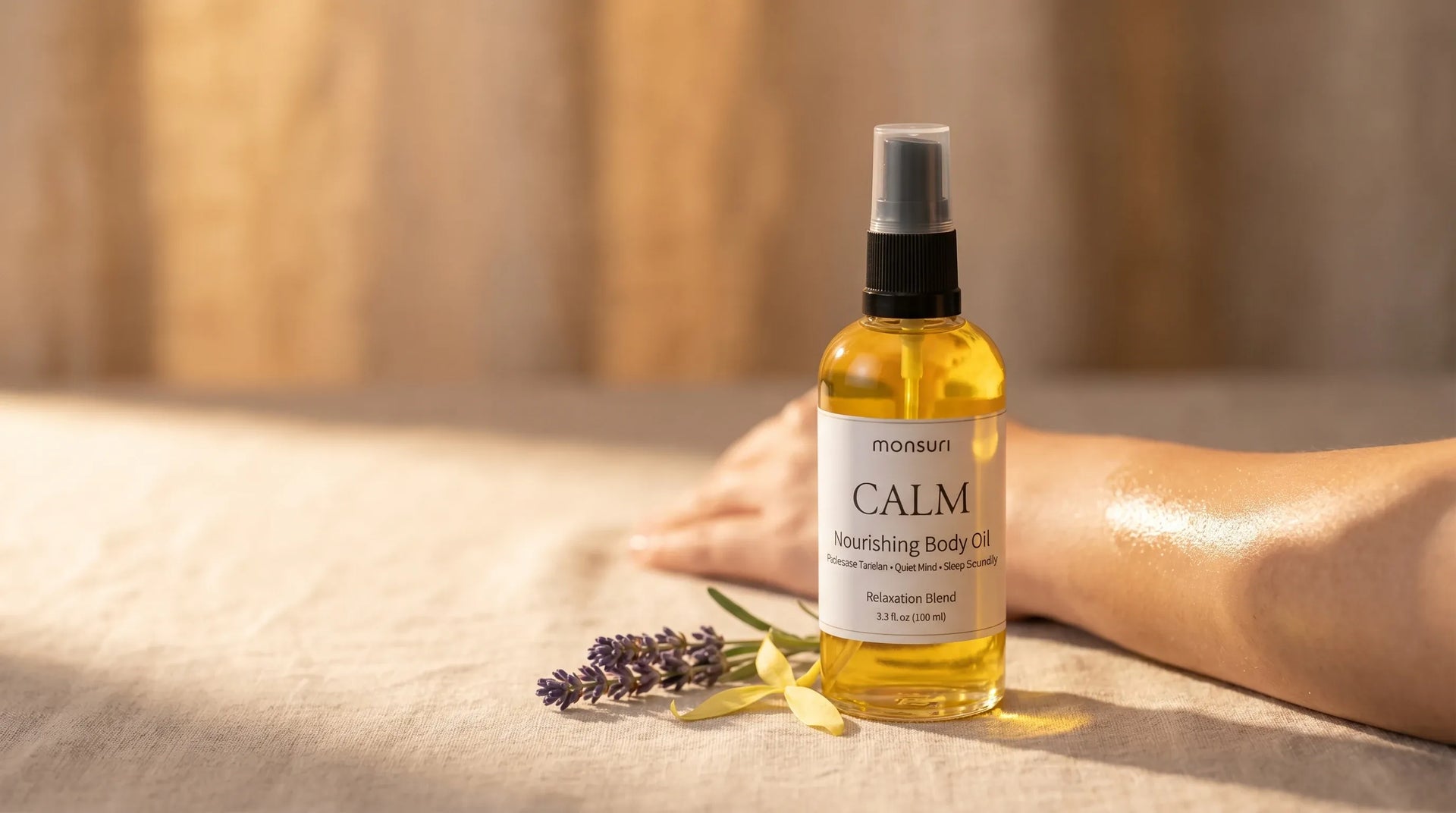
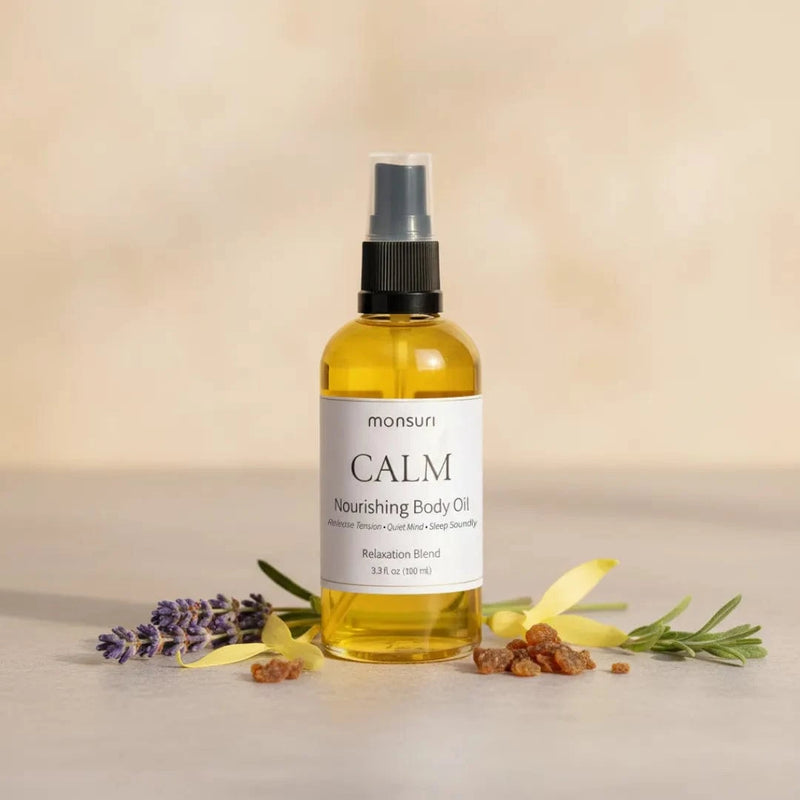
Single-ingredient jojoba is a great, inexpensive thing to own, and if you want one clean carrier oil, buy it. The trade-off is that it does one job: it's jojoba, and only jojoba. A formulated jojoba-blend body oil takes that same cold-pressed jojoba base and builds on it — Monsuri's body oils pair it with organic avocado oil (richer, more cushioning) plus a real botanical scent, so one step delivers the sebum-friendly jojoba, deeper nourishment, and a few quiet minutes of lavender or citrus. They absorb within minutes and leave no greasy residue; the silkiness holds for hours, not just until your shirt soaks it up.

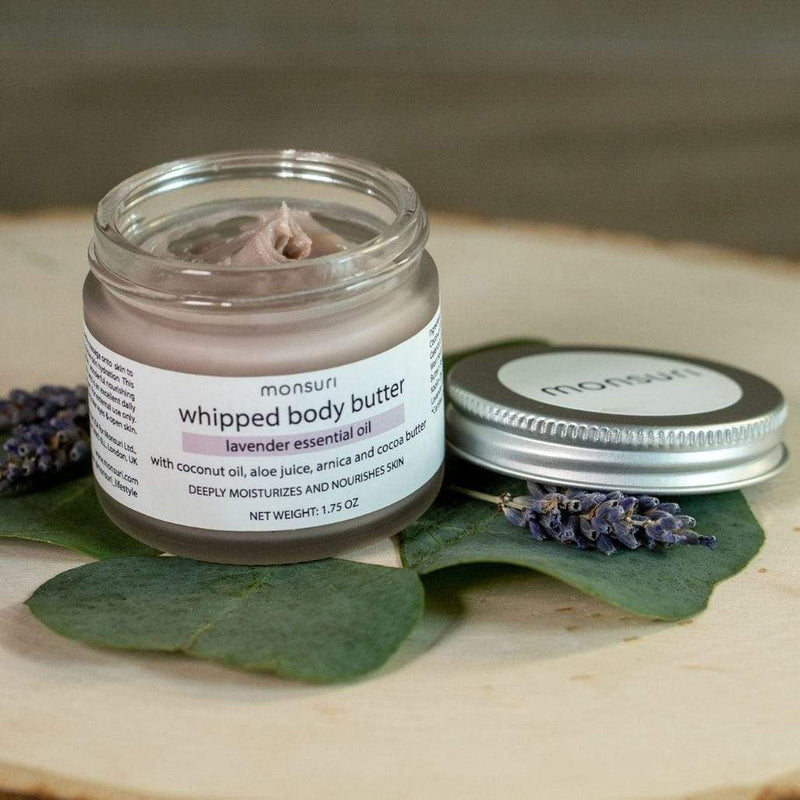
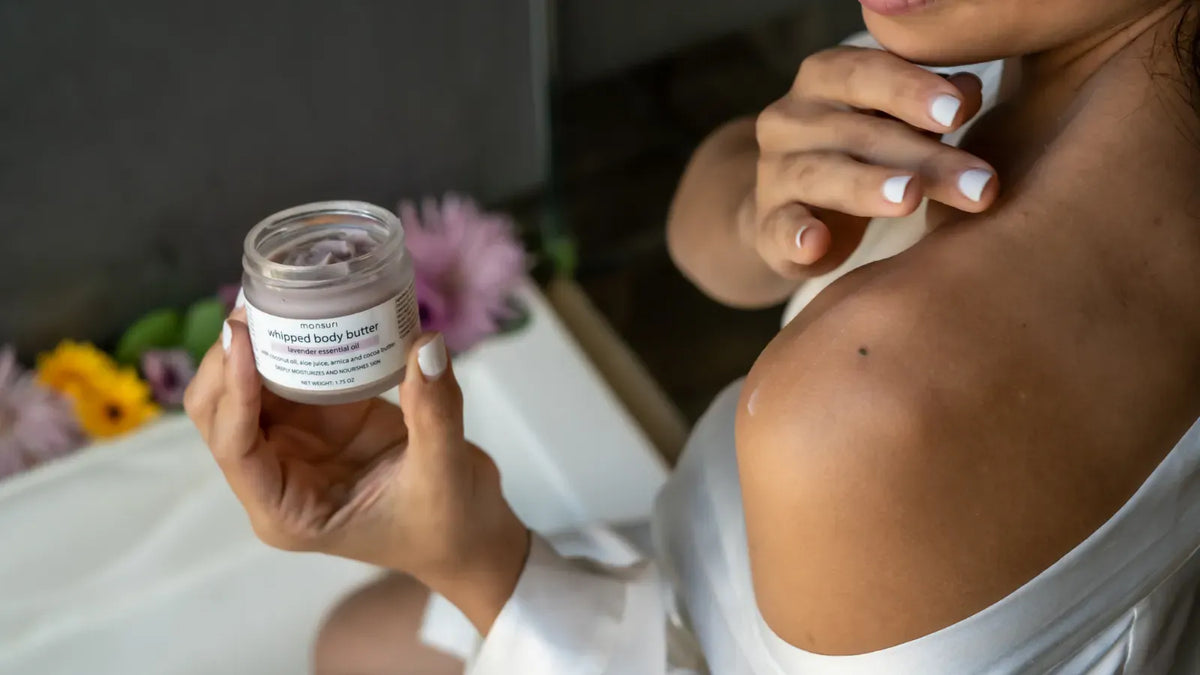
To be clear about what we sell: Monsuri doesn't bottle pure jojoba on its own. What we make are jojoba-based blends, because for most people one well-built oil beats a shelf of single ingredients they have to mix themselves. If you'd rather keep things even simpler, a body butter seals the same way with a thicker finish.
I just love the Lavender Body Butter — but it's too expensive to share.

Every Monsuri body oil starts from the same cold-pressed jojoba and organic avocado base, so the skin benefit is the same across the range — the difference is the scent and the moment you'd reach for it. Browse them all in the body oils collection, or pick by mood:
| If you want… | Reach for | Scent |
|---|---|---|
| To wind down before bed | Lavender Body Oil | French lavender + ylang-ylang |
| A confident, warm finish | Jasmine Body Oil | Jasmine + soft florals |
| A bright morning lift | Energizing Citrus Body Oil | Citrus blend |
| To soothe tired, worked muscles | Warm-to-Cool Recovery Oil | Arnica, ginger, menthol |
If you're layering oil into an existing routine, our guide on body oil before or after lotion covers the order worth getting right.
So: jojoba earns its reputation for skin not because it's an exotic oil, but because it's almost boringly compatible with the oil you already make. Use a few drops on damp skin, let your skin do the rest, and pick the blend whose scent you'll actually look forward to. That's the whole thing. You don't need ten products — you need one your skin recognizes.
Continue your ritual
One more read. One thing for the bath.
The cold-pressed jojoba body oil and the body butter that seals it — for skin that drinks up everything and still wants more.
Overview Features How to Use & Care This French lavender body oil transforms both skin and sanity in…