Your Cart is Empty







How Long to Soak in Epsom Salt for Infection — Honest Limits
Two cups of Epsom salt per standard tub. Water between 100 and 104°F. Twenty minutes, then out. If your doctor told you to soak — for an ingrown toenail, a minor abrasion, post-procedure tenderness — that's the dose. The rest of this article is what nobody tells you about making twenty minutes in a tub actually bearable (the bath comfort kit below is the part most readers skip), and the honest answer to whether Epsom salt does anything for the wound itself. (Spoiler: probably less than the folklore claims. More on that below.)
- Dose: 2 cups of Epsom salt per standard tub (40 gal). For a foot soak: ½ cup per gallon.
- Temperature: 100–104°F / 38–40°C — warm, not hot. (Hot water is harder on broken skin.)
- Duration: 15–20 minutes. Past 20, the water cools and your skin starts to wrinkle past usefulness.
- What it does: the warm water soothes the surrounding skin and softens any crust around the wound. The salt makes the water feel softer on the body.
- What it doesn't: Epsom salt doesn't "draw out" infection. That's folklore. See §02 for the evidence. The wound itself needs a doctor.
- Red flags — skip the soak and call a doctor: spreading redness, fever, pus, deep wound, diabetes with impaired sensation. Full list in §03.
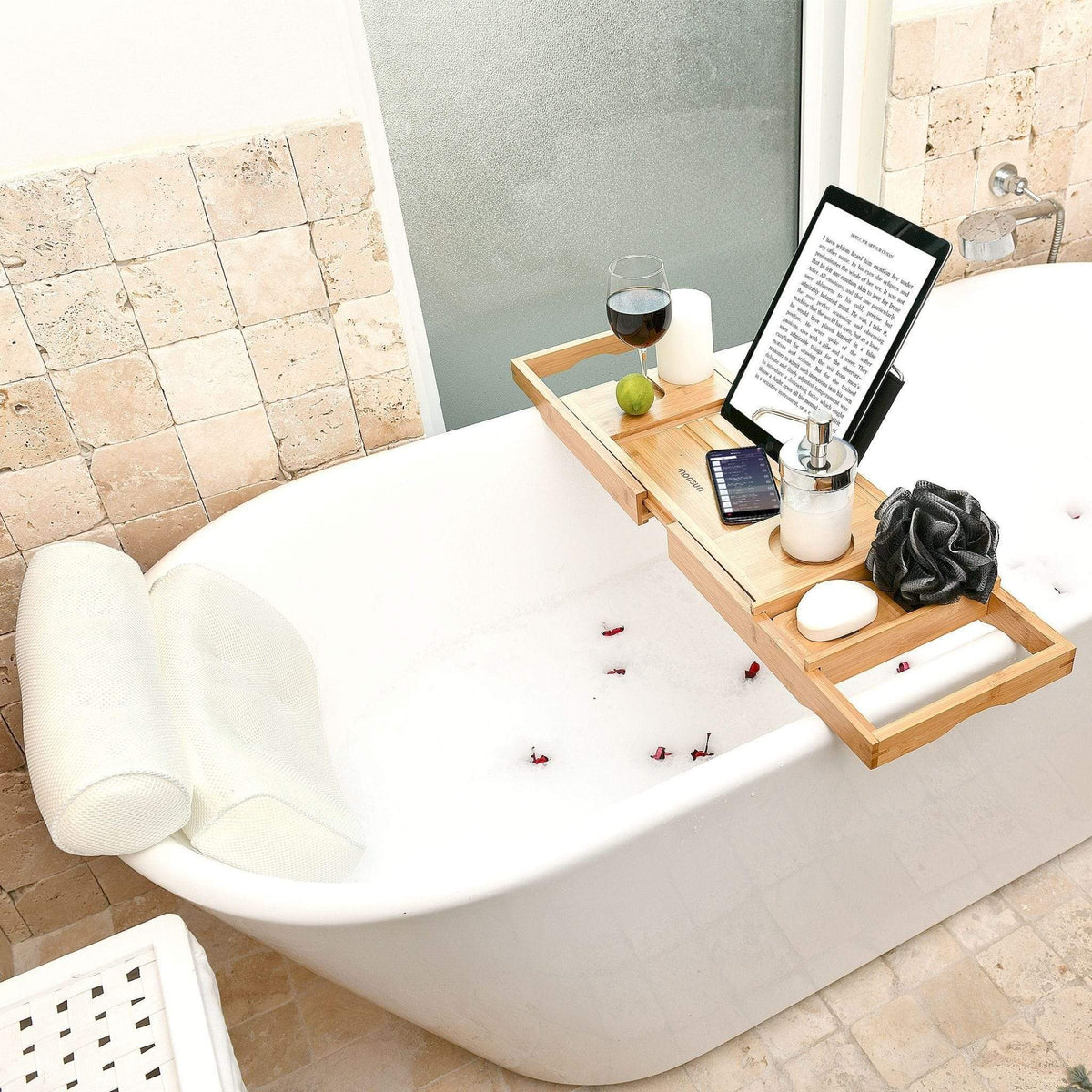
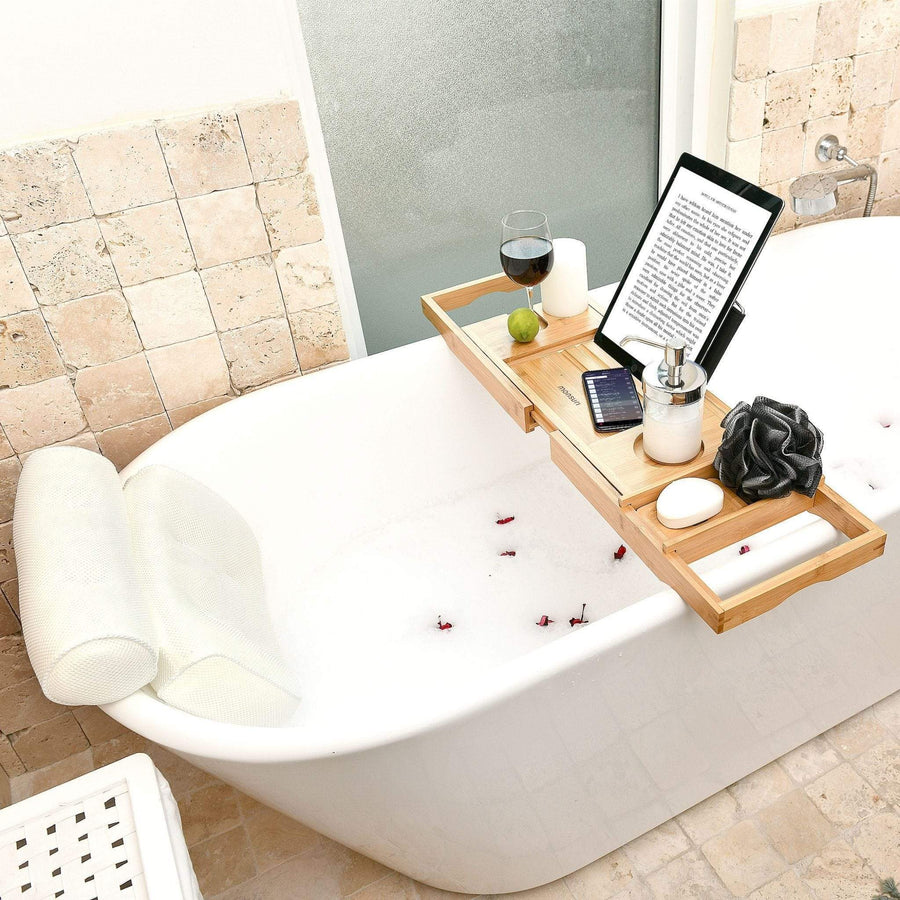
- Make the 20 minutes bearable: a bamboo bath tray + pillow turns "sitting in a tub" into "reading for twenty minutes." Real reviewer Debbie put it this way: "staying in a lot longer though."
- Related reading: What happens if you put too much Epsom salt in a bath — the other side of the dose question.
The dose, the temperature, the timer
- 2 cups Epsom salt (magnesium sulfate, USP-grade)
- 1 standard tub filled to cover the affected area (roughly 30–40 gallons)
- Water at 100–104°F (38–40°C) — warm, not hot. A meat thermometer or a smart-tub probe is the easy check.
- 15–20 minutes — set a timer. After 20, get out, pat the area dry (don't rub), and let it air for a minute before re-bandaging.

Two cups is the therapeutic-comfort dose. Less than that and you can't feel the difference. Past four cups and the water gets stiff — the magnesium-sulfate concentration is high enough that the skin pulls water out of the body instead of softening, and you'll feel parched the next morning. (Our sister piece, what happens if you put too much Epsom salt in a bath, walks through that math.)
For a partial soak — a single foot, a hand, a knee — the ratio scales down: ½ cup of Epsom salt per gallon of warm water. A standard kitchen basin holds about 2 gallons, so 1 cup of Epsom salt in a basin works for one foot.
If your doctor gave you a specific protocol that differs from this, follow theirs. This is the general range; a clinician knows your specific situation.
Does Epsom salt actually do anything for an infection? The honest answer.
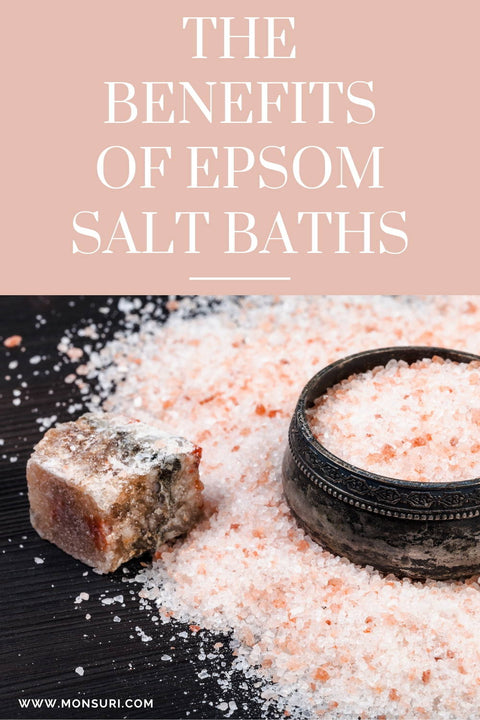
The short version: Epsom salt doesn't kill bacteria, doesn't pull pathogens through the skin, and doesn't "draw out" infection in any meaningful clinical sense. The folklore is older than the evidence, and it persists because the soak feels like it's doing something. The warm water is doing most of that.
Here's what's actually happening when you sit in a warm Epsom salt bath:
- The warm water (100–104°F) increases local blood flow to the soaking area. Better circulation means more warmth reaches the area — but it's the warm water, not the Epsom salt, doing the work. The salt is along for the ride.
- The salt makes the water feel softer on irritated skin. Dissolved magnesium sulfate raises the water's specific gravity slightly; the practical effect is that the bath feels less harsh on broken skin than plain tap water.
- Magnesium absorption through intact skin is minimal. A widely-cited 2006 study by Waring at the University of Birmingham measured an increase in blood magnesium after Epsom salt baths, but the protocol wasn't peer-reviewed in the traditional sense and the result hasn't been replicated cleanly. The conservative read: don't bank on transdermal magnesium absorption as the mechanism.
- Soft, soaked tissue is easier to clean. If your doctor wants you to gently remove crust around a wound or soften an ingrown nail bed, twenty minutes of warm water — Epsom or otherwise — softens the skin so the cleaning step is less painful.
So what does the soak actually give you? Three things, plainly: warm-water comfort, slightly softer water on irritated skin, and a doctor-sanctioned excuse to sit still for twenty minutes. That last one is underrated.
Whether the wound itself improves is a question for the wound's medical care — antibiotic ointment, drainage if needed, oral antibiotics for systemic spread, time. A bath isn't a substitute for any of those. The bath is the comfort layer alongside the actual care.
This article is general information, not a clinical assessment of your specific situation. If you have an active wound or suspected infection, see a clinician. The American Academy of Dermatology and the Mayo Clinic both publish wound-care guidance that should override anything you read on a brand's blog — including ours.
When to skip the soak and call a doctor
Soaking is a comfort measure, not a substitute for medical care. If any of the following are true, skip the bath and call a clinician — or go to urgent care:
- Redness spreading outward from the wound. If the red area is growing by the hour, that's cellulitis or worse. Bath isn't going to help and may delay care.
- Fever, chills, or feeling systemically unwell. Local infections that have gone systemic are an antibiotic conversation, not a bath one.
- Pus, foul odor, or the area feels hot to the touch. The wound needs to be assessed and possibly drained by a clinician.
- Deep wound, animal bite, or puncture wound. Tetanus and deep-tissue concerns rule out home soaking until a clinician has cleared it.
- Diabetes with impaired sensation in feet. If you can't reliably feel temperature in your feet, a hot soak is a burn risk. Per the CDC's diabetic foot-care guidance, lukewarm water and a tested temperature are non-negotiable.
- Pregnancy + high-Epsom-salt baths. Discuss the dose with your OB. Standard prenatal guidance limits hot baths broadly; an Epsom soak is a per-pregnancy conversation. We wrote a separate piece on this — when Epsom baths fit during pregnancy.
If none of those apply, and your doctor or pharmacist suggested a warm soak, the next section is the part that actually matters: making the twenty minutes bearable.
The part nobody talks about: making twenty minutes in a tub actually comfortable

Here's the part the medical guides skip: twenty minutes is a long time to sit in a tub if you're not set up for it. Most people last five to seven minutes before their neck hurts, their phone slips into the water, or they get bored enough to climb out early and lose the dose.
That's the gap a bamboo bath tray and bath pillow closes. The tray bridges the tub at any width (the legs adjust 29–41 inches) and holds the things that make twenty minutes feel like a reading break: a paperback, a phone in a cradle, a glass of water, a mug of tea, the jar of Epsom salt if you're topping up. The pillow suctions to the tub wall and gives your head and neck something to rest against — so the muscle tension you'd otherwise build over twenty minutes doesn't happen.
One real reviewer on this exact product, Debbie, left this 5-star line: "This has changed my baths dramatically! So fun, staying in a lot longer though!" She didn't expect the comfort to extend her time. That's the practical effect — when the head and neck are supported and your hands are free, the timer feels less like punishment.
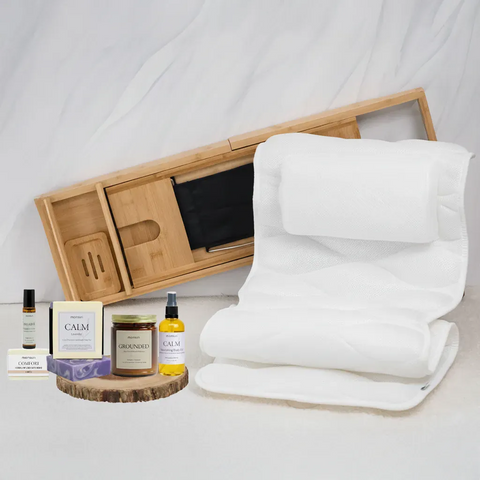
For longer or more involved soaks — a full-body soak for back or hip discomfort, or for a partner sharing the bathroom routine — the full-body bath pillow + tray caddy is the upgrade. The pillow extends the support down the back, not just the neck. If you find yourself running another bath after this one specifically because the first one wasn't comfortable, the full-body version pays for itself in two soaks.
- The book or e-reader (the single biggest difference — gives your eyes somewhere to go)
- A timer (your phone or a small kitchen one — set it before you get in)
- A glass of water (you sweat in warm water; replace what you lose)
- The Epsom salt jar (if you're topping up the dissolve mid-soak)
- A clean, dry towel within arm's reach (so you don't drip across the floor after)
Can you use regular salt instead of Epsom?
Short answer: no, and the reason has nothing to do with potency.
Table salt (sodium chloride) and Epsom salt (magnesium sulfate) are different compounds. Sodium chloride dissolved in warm water is what you've already got in your sweat — adding more of it to a bath isn't doing anything pharmacologically useful. It's also rougher on broken skin than Epsom; you can feel the difference within thirty seconds of sitting down.
If you don't have Epsom salt on hand and the bath has to happen tonight, plain warm water at 100–104°F for fifteen minutes gives you most of the same comfort benefit. The salt is optional; the warmth is the mechanism.
For everyday baths (not infection-care), some readers prefer a scented bath soak over plain Epsom — same magnesium-sulfate base, layered with essential oils for the sensory side. For a wound-care soak, skip the fragrance: irritated skin doesn't need essential oils on top of it.
Does Epsom salt burn open wounds?
Mildly, sometimes, on fresh wounds — and the sting subsides within thirty to sixty seconds.
What you're feeling is the salt water on exposed nerve endings, the same way salt water at the beach stings a paper cut. It's not a chemical reaction with bacteria; it's a transient nerve response. If the sting doesn't subside or it intensifies, get out of the bath, rinse with plain water, and call a clinician — that's a sign the wound is more reactive than expected.
If you anticipate the sting, two adjustments help: dissolve the salt fully before getting in (so you're not soaking on undissolved crystals), and keep the water at the lower end of the temperature range (closer to 100°F than 104°F). Both reduce the sting without changing the soak's purpose.
The Monsuri version of this soak

If you're soaking for any reason — including the kind your doctor told you to — the missing piece is usually the setup, not the salt. Most pharmacies stock USP-grade Epsom salt for under ten dollars; that's not where Monsuri can help. Where we can: the part where you have to sit still for twenty minutes and your neck starts hurting at minute five.
Two kits cover the range:
- Bamboo bath tray + bath pillow — $107.95. The entry-tier comfort kit. Tray adjusts 29–41" to fit any tub; pillow suctions to the back wall. This is the right starting point for the soak protocol in §01.
- Full-body bath pillow + bath tray caddy — $129.90. The upgrade. Pillow extends down the full back length. Worth it if you anticipate doing more than one soak per week, or if you have back tension you'd like the soak time to address.
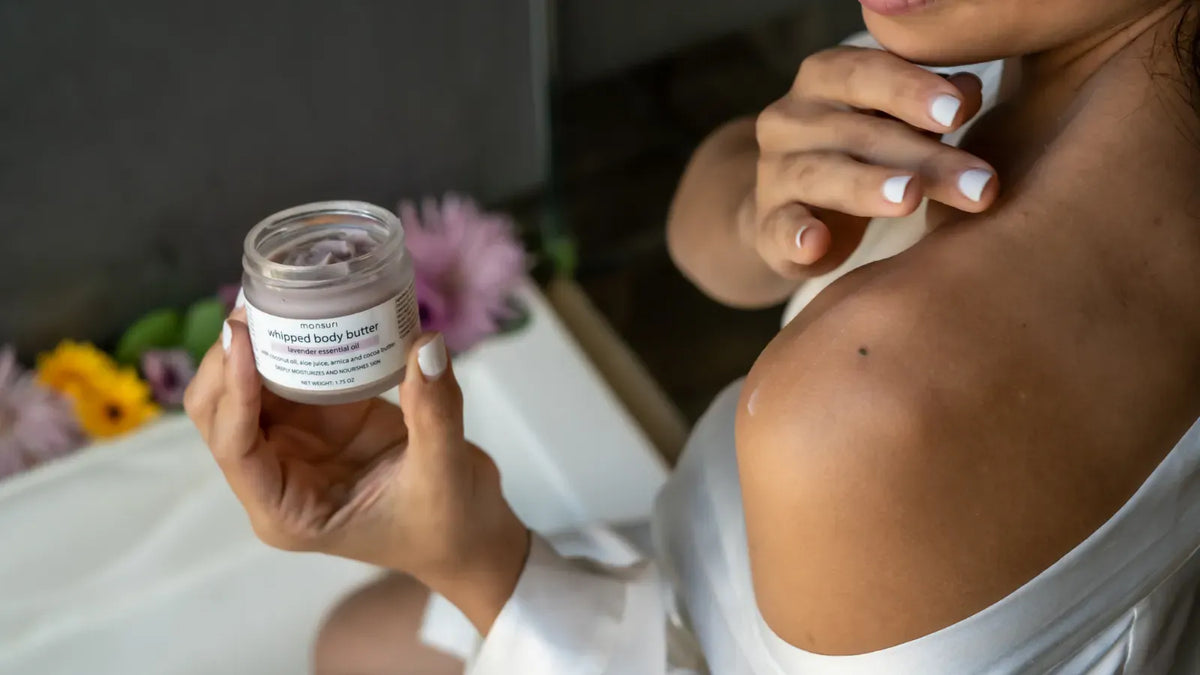
For readers who want a complete at-home soak setup — bath bomb, body oil, soap, candle, the works — the Home Spa Day Kit ($224.50) packages the bath tray and pillow with a bath bomb that includes Epsom salts as an ingredient, a calendula body oil, a French Lavender soap, and a mahogany teakwood candle. That's the "this is now my Sunday evening" tier. Not necessary for one soak; useful if you're going to be soaking regularly for any reason.
Whatever you pick, the rule stays the same: 2 cups, 100–104°F, twenty minutes, then out. See a doctor for the wound itself. The bath is the comfort layer.
"This has changed my baths dramatically! So fun, staying in a lot longer though!"
That's the whole article in one customer sentence. Buy the kit for the comfort. Take the dose for the doctor's reason. Twenty minutes is enough.
If you want one more piece of context — the other side of the dose question — see what happens if you put too much Epsom salt in a bath. And if you're curious about magnesium sulfate at a deeper chemistry level, our magnesium flakes vs. Epsom salt comparison is the deepest dive in our catalog.
Take twenty minutes. You're allowed.